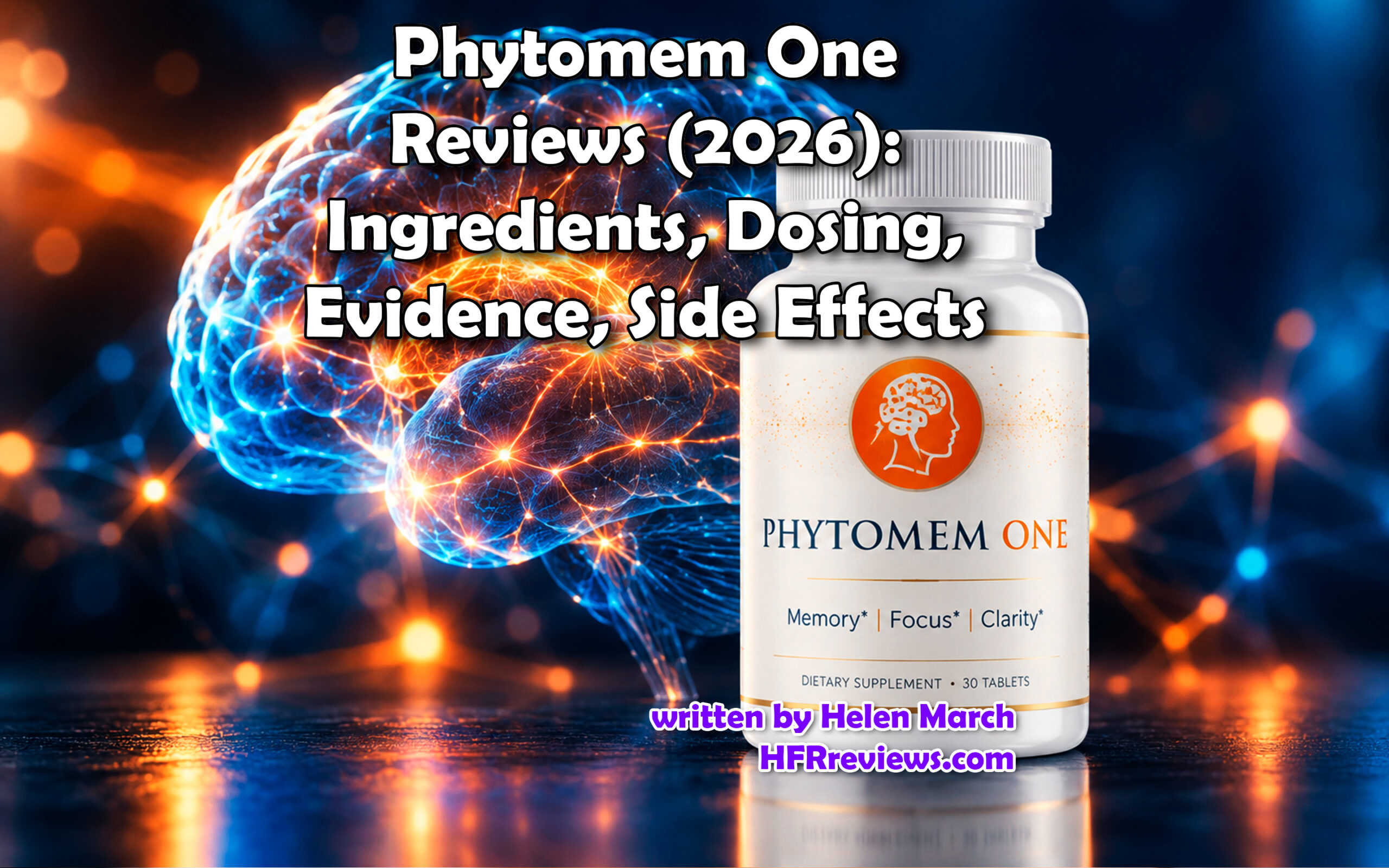
Phytomem One Reviews (2026): Ingredients, Dosing, Evidence, Side Effects
Contents
Phytomem One
49 USD
Pros
- Stimulant-free, with a simple one-tablet daily routine
- Two ingredients, saffron and fucoxanthin, have human clinical research behind them
- Pairs cognitive support with metabolic support, a growing area of research
- Three bonus digital guides included with every order
- Cost per day drops to about $1.63 on the six-bottle package
Cons
- Several ingredients can interact with medications
- Doses are hidden inside a 458 mg proprietary blend
- Berberine and cinnamon are probably below the amounts used in blood sugar trials
Introduction and Quick Verdict
Most people don’t notice their memory changing all at once. It shows up as a word that takes a beat too long to surface, a name that was right there yesterday, a reason for walking into a room that evaporates at the doorway. Lapses like these are common, and they send a lot of adults looking for something that supports their thinking day to day.
Phytomem One is one of the newer products aimed at that group. It’s a once-daily tablet that combines ten plant-based and nutrient ingredients, and what sets it apart from the usual brain-booster lineup is its angle. Instead of leaning on caffeine or a single herb, it pairs ingredients studied for cognition with ones studied for how the body handles blood sugar. The thinking is that brain health and metabolic health are closely tied, and research in that area is genuinely active.
If you’ve been reading Phytomem One reviews online, you’ve probably noticed that many of them repeat the same marketing lines. So I went through the product page, the Supplement Facts label, the company’s own published material, and the research behind each ingredient. Here is the short version.
Quick verdict: Phytomem One is a well-conceived formula for adults who want a stimulant-free daily routine for cognitive support. Two of its ingredients, saffron and fucoxanthin, have human clinical research behind them, and the purchase terms carry little risk: a 60-day money-back guarantee and no subscription. Going in, you should know three things: the company doesn’t disclose the dose of each ingredient, no study has tested this exact formula, and a few ingredients can interact with medications. None of that is a reason to dismiss it, and all of it is worth understanding before you order.
At a glance
| Product name | Phytomem One |
| Official website | getphytomemone.com |
| Customer Service | [email protected] and 1-800-390-6035. Use the contact details in your order confirmation. |
| Product category | Dietary supplement for cognitive support (memory, focus, mental clarity), tablet form |
| Customer satisfaction | Company-reported: 91.6% of 2,814 surveyed verified buyers rated their experience good or excellent, and the refund rate on verified orders was 1.84% over 90 days. |
| Manufacturing country | United States |
| Product Composition | Ten ingredients in one 458 mg proprietary blend: xylitol, Ceylon cinnamon bark, corosolic acid (banaba leaf extract), saffron extract, fucoxanthin and fucoidan (Japanese sea kelp), Citrus sinensis (blood orange), kudzu flower extract, oleuropein (olive leaf extract), berberine HCl. Other ingredients: natural flavors, stearic acid, magnesium stearate, silicon dioxide, stevia (Reb A). Individual doses are not disclosed. |
| FDA & GMP Approved? | The FDA does not approve dietary supplements. The company states the product is made in a GMP-certified, FDA-registered facility in the U.S. |
| Money-back policy | 60-day money-back guarantee through ClickBank. One-time purchase, no subscription. |
| Shipping Countries | United States (including Alaska and Hawaii), Canada, United Kingdom, Ireland, Australia, and New Zealand |
| Delivery Time and Price | Orders ship within 24 to 48 hours of confirmed payment, and a tracking link is emailed (Monday to Friday). Mainland U.S.: 5 to 8 business days, $9.95 or free depending on order quantity. Alaska and Hawaii: 12 to 20 business days, $9.95 or free. Canada, UK and Ireland, Australia and New Zealand: 12 to 20 business days, $19.95. |
| Recommended supply | 2 bottles (60 days, $158) matches the guarantee window. 3 bottles (90 days, $177) and 6 bottles (180 days, $294) lower the cost to about $1.97 and $1.63 per day. |
| Where to buy | Official website only, per the company (orders processed by ClickBank; the charge appears as “CLICKBANK”) |
| Not recommended to | Anyone under 18; pregnant, trying-to-conceive, or nursing women; people taking diabetes drugs, blood thinners, or blood pressure medication, or with hormone-sensitive, thyroid, or liver conditions, unless a doctor approves. |
| Suggested Use | One tablet daily with food |
| Serving Size | 1 tablet |
| Servings per container | 30 |
What Is Phytomem One, and Who Is Behind It?
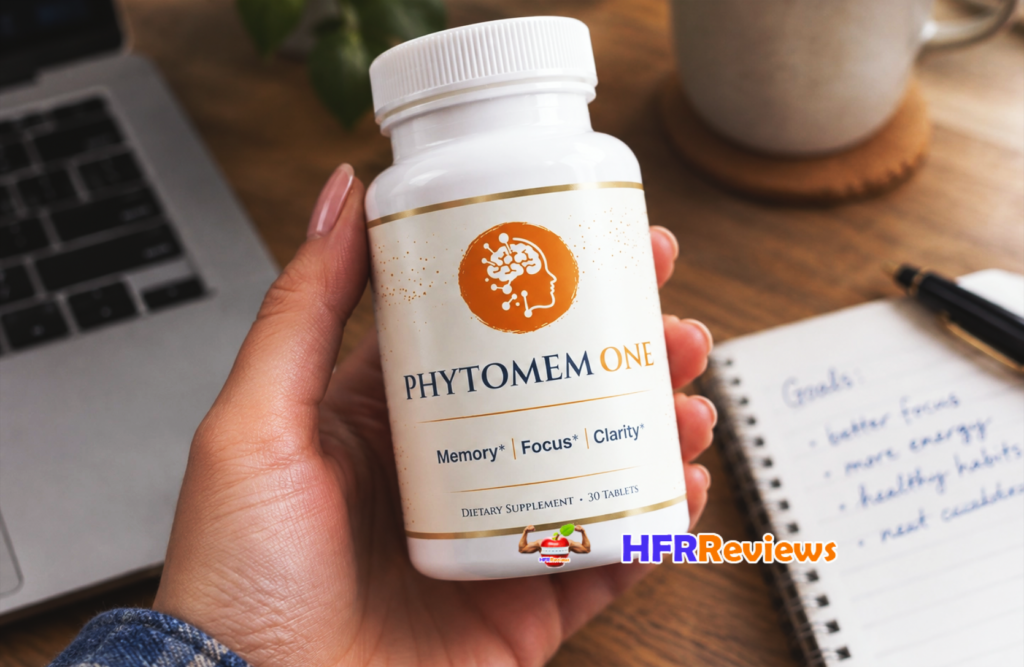
Phytomem One is sold as a daily supplement for adults who want support for memory, focus, and mental clarity. The format is simple: one tablet a day, taken with food. The company describes it as non-GMO and stimulant-free, which matters to anyone who is sensitive to caffeine or who would rather skip the mid-afternoon crash that stimulant-based formulas can bring.
According to its own materials, the company behind the product is NewEra Protect, based in Largo, Florida. The company says Phytomem One has been on the market for under a year and is made in a GMP-certified, FDA-registered facility in the United States. The sales page credits the formula to a “Dr. Nakamura” but doesn’t list his credentials or affiliation, so I can’t say more about his background. Lot-level lab certificates aren’t published either. For a product this new that isn’t unusual, though it’s something I’d like to see added.
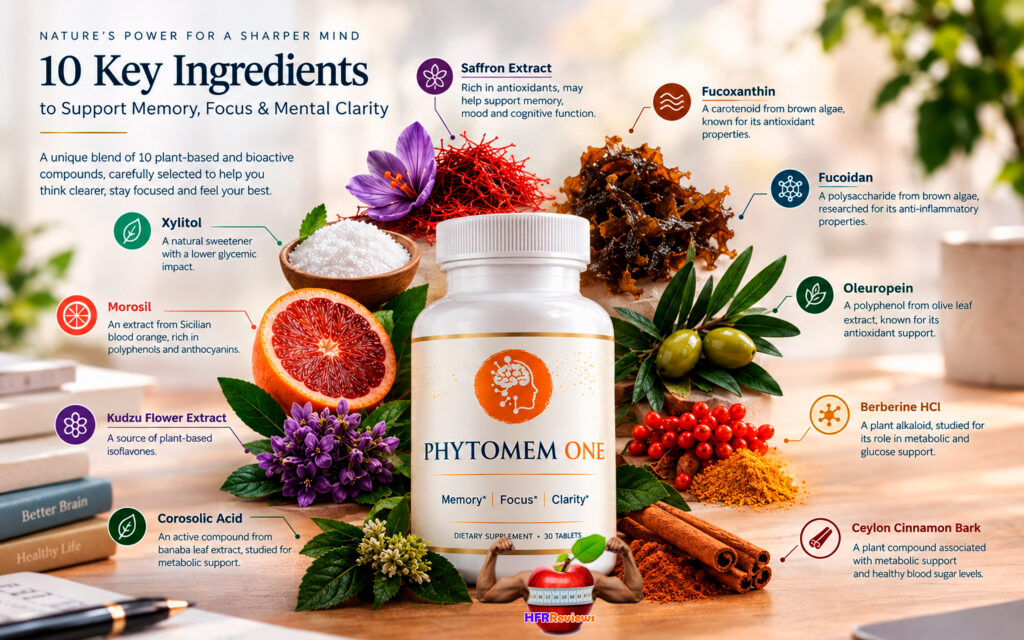
On the label, all ten ingredients sit inside a single 458 mg proprietary blend: xylitol, Ceylon cinnamon bark, corosolic acid from banaba leaf, saffron extract, fucoxanthin and fucoidan from Japanese sea kelp, Citrus sinensis (blood orange), kudzu flower extract, oleuropein from olive leaf, and berberine HCl. The sales page sorts those same ten into three groups, which the next section covers. The remaining ingredients are natural flavors, stearic acid, magnesium stearate, silicon dioxide, and stevia (Reb A).
Read more: Unlocking the Benefits of Vitamin A for a Healthy Body and Mind. Best Vitamin A Dietary Supplements
Phytomem One is sold only through the official website, and orders are processed by ClickBank, a long-established online retail and payment platform. That is why “CLICKBANK” appears on a card statement instead of the product name, which is worth knowing so the charge doesn’t catch you off guard.
As for who it’s for, the natural audience is healthy adults, typically middle-aged and older, looking for daily nutritional support. It isn’t meant for anyone hoping to treat a diagnosed memory disorder. Dietary supplements aren’t drugs and can’t treat disease, and Phytomem One is no exception. Anyone whose memory changes are persistent or getting worse should see a doctor first.
How Phytomem One Describes Itself, and What the Science Says
The sales page builds Phytomem One around what it calls “Dual-Defense” support. One half is protection: a group of antioxidant and cognitive-support ingredients (saffron, fucoxanthin, fucoidan, oleuropein). The other half is fuel: a group aimed at how the brain uses glucose, its main energy source (berberine, Ceylon cinnamon, corosolic acid, kudzu). A third pairing, Morosil and xylitol, is positioned as an amplifier. Both halves start from real research, so it’s worth separating what is established from what the marketing builds on top.
The microplastics backdrop. In February 2025, a team from the University of New Mexico published a study in Nature Medicine that examined tissue from deceased donors. They found micro- and nanoplastics in brain, liver, and kidney samples, with brain tissue showing considerably higher concentrations than the other two organs, and samples from 2024 showing higher levels than those from 2016. A smaller group of brains from people with a dementia diagnosis showed even greater accumulation. The study drew wide coverage, and it deserved it. The authors are careful, though. It is observational, so it can’t show that plastics cause memory problems, and dementia itself may change how the brain handles and clears particles. Researchers still don’t know how the particles reach the brain or what they do once they’re there.
The metabolic angle. Separately, a body of research has linked poor blood sugar regulation and insulin resistance with a higher risk of cognitive decline. Some researchers describe a brain-specific version of the problem as “type 3 diabetes,” but that is a hypothesis, not a recognized medical diagnosis. It remains an active area of study, and it is the reasoning behind including berberine, cinnamon, corosolic acid, and kudzu, ingredients that have mostly been studied for blood sugar rather than memory.
Where the sales page goes further than the evidence. The page says the formula is designed to “neutralize” what it calls the “Plastic Stranglehold” and speaks of restoring lost cognition. I found no evidence that any of the ten ingredients clears plastic particles from the brain, and no study has tested the formula as a whole. The stronger language reads as marketing, and I’d treat it that way.
That doesn’t make the underlying idea a weak one. A fairer reading is that Phytomem One is a daily-support formula built on two legitimate research areas: antioxidant and cognitive-support ingredients on one side, metabolic-support ingredients on the other. Judged on those terms, as daily nutritional support rather than a fix for a plastic problem, the formula holds together better than the headlines suggest. The next section goes through the ingredients one by one, starting with those that have the strongest evidence.
Ingredient Breakdown
Because the label doesn’t list a dose for any single ingredient, the most useful thing I can do is show what each one has been studied for and at what amount. I’ve ordered them roughly by the strength of the human evidence, starting with the two that carry the most weight.
Saffron (Crocus sativus)
Saffron is the standout. Its best-known human cognitive research uses a standardized extract at 30 mg a day, usually split into two 15 mg doses. In a 16-week placebo-controlled trial of 46 people with mild to moderate Alzheimer’s disease, published in 2010 in the Journal of Clinical Pharmacy and Therapeutics, the saffron group scored better on cognitive measures than the placebo group. A 22-week trial from the same research network found saffron at that dose performed comparably to donepezil, a standard Alzheimer’s drug, and a 2014 trial reported similar results against memantine. Saffron has also been studied for low mood at the same 30 mg dose, and side effects in these trials were generally mild, mostly nausea and headache.
Two honest caveats. These trials were small, mostly came from one regional research group, and enrolled people who already had Alzheimer’s, so they don’t tell us what saffron does for a healthy adult with everyday forgetfulness. And the Phytomem One label lists saffron “bulb extract,” while the clinical work used extract from the stigma, the threads that make up the spice. It may well be a labeling quirk, and it’s a quick question for customer support before you order.
Fucoxanthin and Fucoidan (Japanese Sea Kelp)
Fucoxanthin is a pigment found in brown seaweed, and it has a more encouraging track record than you might expect for such a new ingredient. A 2024 trial in Nutrients gave 43 adults aged 55 to 75, all with self-perceived memory decline, either a placebo or a microalgae extract providing 8.8 mg of fucoxanthin a day for 12 weeks. The researchers reported improvements on several cognitive measures, including episodic memory and attention. A second, 24-week trial of 66 adults with age-associated memory impairment used an extract providing just 4.4 mg of fucoxanthin and also pointed toward possible benefits, though the authors called for larger studies and some of the findings came from secondary analyses.
Two details matter here. The first trial was funded in part by the company that makes the algae extract, and both trials used microalgae rather than the kelp that Phytomem One lists. The fucoxanthin molecule is the same, but the extracts aren’t identical. The encouraging part is that the amounts studied were small, a few milligrams, so it is plausible that a 458 mg tablet could contain comparable amounts, even though the label doesn’t say.
Fucoidan, the kelp polysaccharide listed beside it, is a supporting player. It has interesting laboratory and animal data on inflammation and oxidative stress, but human cognitive research is still limited.
Berberine HCl
Berberine is the most pharmacologically active ingredient in the formula. It is best known for its effect on blood sugar: human trials generally use 900 to 1,500 mg a day and report meaningful reductions in fasting glucose. Researchers are also exploring how it activates AMPK, a cellular energy sensor, in brain tissue, though that work is largely in cells and animals. Berberine is last in the ingredient order, which means the tablet contains no more than a fraction of those studied amounts. That doesn’t make it irrelevant in a combination formula, but it means the clinical doses shouldn’t be assumed. It also interacts with several medications, which I cover in the safety section.
Ceylon Cinnamon and Corosolic Acid
Both are blood-sugar ingredients. Cinnamon has been studied for fasting glucose and insulin sensitivity, though most trials used cassia cinnamon rather than true Ceylon cinnamon. Ceylon has a practical advantage for daily use, since it contains far less coumarin, a compound that can be hard on the liver in large amounts. Corosolic acid, extracted from banaba leaf, has been tested in a few very small trials with modest glucose effects. One in diabetic patients used 32 to 48 mg a day of a banaba extract standardized to 1% corosolic acid, and others used a softgel supplying about 10 mg of corosolic acid. Neither has been tested for memory directly. Their role here is the “brain fuel” rationale discussed earlier.
Oleuropein (Olive Leaf Extract)
Oleuropein is a polyphenol from olive leaf with antioxidant properties. Animal studies suggest neuroprotective effects, and human research has focused mostly on blood pressure and glucose in small trials. Evidence for cognition in people is thin, so I’d describe it as a plausible supporting ingredient rather than a proven one.
Kudzu Flower Extract
Kudzu has a long history in traditional East Asian medicine. The flower contains isoflavones, including puerarin, which show neuroprotective effects in laboratory and animal models. Human data are limited and mostly not cognitive. Because isoflavones act as mild plant estrogens, kudzu is one of the ingredients that calls for a conversation with your doctor if you have a hormone-sensitive condition.
Morosil and Xylitol
Morosil is the trade name for a standardized extract of Moro blood oranges, rich in anthocyanins. Small trials at about 400 mg a day reported reductions in body weight and waist size, and the antioxidant rationale is why it appears in a brain formula. No human cognitive trials exist for it. The sales page names Morosil, but the label says only “Citrus sinensis,” so if the branded extract matters to you, that’s another question for support.
Xylitol is a sugar alcohol with a low glycemic impact. It appears first in the ingredient order, which makes it the largest component of the blend by weight, so it is probably there as much for bulk and taste as for any brain benefit. It’s harmless for people in these amounts, but it is toxic to dogs, so keep the bottle out of reach of pets.
The Rest of the Label
The other ingredients are standard tablet components: natural flavors, stearic acid, magnesium stearate, silicon dioxide, and stevia (Reb A). The sales page doesn’t state whether the product is free of gluten, dairy, or soy, so anyone with an allergy should confirm with the company first.
Reading the Formula as a Whole
Taken together, the list is more coherent than most. Two ingredients have human cognitive research behind them, at doses that are small enough to be plausible in a single tablet. Four more address blood sugar regulation, which is the logic behind the formula’s second half. The rest play supporting roles. What the list can’t tell you is whether the amounts in each tablet match the amounts in those studies, and that is the subject of the next section.
What the Label Does and Doesn’t Tell You: Dosing Transparency
All ten ingredients share a single 458 mg proprietary blend. That arrangement is common in the supplement industry and perfectly legal, but it means you can’t see how much of any one ingredient is in the tablet. Divide 458 mg by ten and the average is about 46 mg per ingredient, although the real split is certainly uneven.
There is one useful clue. Federal labeling rules require the contents of a proprietary blend to be listed in descending order by weight, so the order on the bottle tells us something. Xylitol comes first and berberine last. Simple arithmetic then sets a ceiling for each ingredient: the one in position four can’t exceed a quarter of 458 mg, the one in position five a fifth, and so on. These are maximums, not measurements, and the true amounts are probably lower.
Applied to this label, the ceilings work out roughly like this: Ceylon cinnamon up to about 229 mg, corosolic acid up to 153 mg, saffron up to 115 mg, fucoxanthin up to 92 mg, Citrus sinensis up to 65 mg, and berberine up to 46 mg.
That is better news than it might sound for the two best-studied ingredients. Saffron’s research dose is 30 mg, and fucoxanthin’s is a few milligrams, so both fit comfortably under their ceilings. Whether they are actually present at those levels is something only the company can confirm. The picture is different for the metabolic half of the formula. Berberine’s ceiling of 46 mg sits far below the 900 to 1,500 mg used in blood sugar trials, and cinnamon’s ceiling is below the amounts most studies used. I’d read that half of the formula as gentle, light-touch support rather than a trial-strength dose.
If you want certainty, the company’s support team is the place to get it. Four questions are worth asking: how much saffron and fucoxanthin each tablet contains, which part of the saffron plant is used, whether the orange extract is the branded Morosil, and whether a third-party certificate of analysis is available. A company confident in its formula should be able to answer them, and I’d ask before choosing a multi-bottle pack.
What the Research Actually Supports
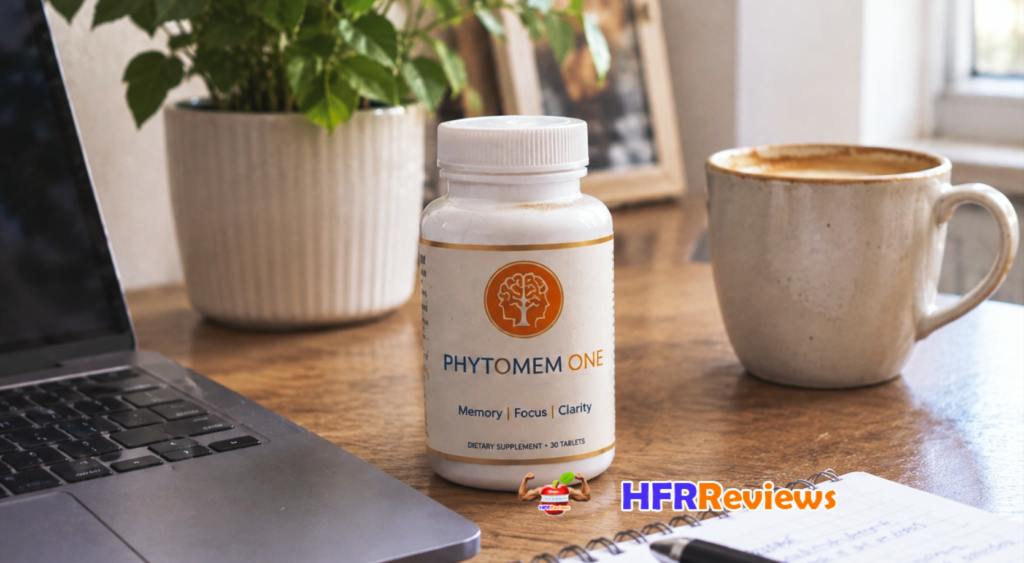
It helps to sort the ten ingredients by how much human evidence stands behind them, because the formula contains very different levels of support.
Strongest. Saffron has multiple randomized trials showing cognitive benefits at 30 mg a day, though in people with Alzheimer’s disease rather than healthy adults. Fucoxanthin has two small trials in older adults with memory complaints, with encouraging results at doses of 4 to 9 mg. Both areas of research are real, and both are still young.
Moderate, but indirect. Berberine, cinnamon, and corosolic acid have human evidence for modest effects on blood sugar. The link to memory rests on an association: people with poorer glucose regulation face a higher risk of cognitive decline. That doesn’t prove that improving glucose with a supplement protects memory, and no trial has shown it for this combination.
Early. Fucoidan, oleuropein, kudzu, and Morosil have interesting laboratory and animal findings but little to no human cognitive data.
Read more: Alpilean Australia Reviews. It’s Awesome! DISCOUNT⚠️ How To Take?
Not yet available. No study has tested the Phytomem One formula itself, or even this exact combination of ingredients. There is no long-term safety data on the blend, and the company has not published a clinical trial. Any claim that the formula as a whole “restores” or “reverses” anything goes beyond what the evidence shows.
What that adds up to is a formula with a reasonable scientific rationale and modest, realistic expectations. The clinical trials behind saffron and fucoxanthin ran roughly 12 to 24 weeks, and the benefits reported were gradual and measured on cognitive tests, not dramatic. The same is likely to hold here. Responses vary from person to person, and some people will notice little.
That is where the 60-day guarantee earns its place. A simple way to use it well is to jot down a few baseline notes in the first week, such as how often words escape you or how focused you feel by mid-afternoon, and check back at four and eight weeks. That gives you something concrete to judge before the refund window closes.
Side Effects, Interactions, and Who Should Check With a Doctor First
The company reports no safety events tied to verified orders, though that figure is self-reported and hasn’t been independently reviewed. The ingredients themselves are generally well tolerated in the trials I reviewed, and the most common complaints are mild. Berberine can cause digestive upset such as nausea, gas, constipation, or loose stools, which is why the directions call for taking the tablet with food. Saffron has occasionally caused nausea or headache.
The more important considerations involve medications, and this is where I’d ask readers to slow down. Three of the ingredients, berberine, Ceylon cinnamon, and corosolic acid, each lower blood sugar. Their combined effect in a single tablet hasn’t been studied, so anyone taking diabetes medication or insulin should talk to a doctor first, since the combination could push glucose lower than expected. Berberine also affects the liver enzymes that process many drugs, including some immunosuppressants, so it is worth reviewing the list of everything you take with a pharmacist. Fucoidan and berberine may influence blood clotting, which matters for people on warfarin or other blood thinners. Olive leaf can lower blood pressure, and kudzu contains plant estrogens, so people on blood pressure medication or with hormone-sensitive conditions should ask before starting.
Other groups should also get medical advice first: anyone who is pregnant, trying to conceive, or breastfeeding (berberine is generally avoided in pregnancy); anyone with a thyroid condition, since kelp-derived ingredients can carry iodine; anyone with liver disease; and anyone scheduled for surgery in the next couple of weeks. The product is for adults only. Pet owners should remember that xylitol is dangerous for dogs.
One last point: a supplement is not a diagnosis. If you or someone close to you has memory changes that are persistent, getting worse, or interfering with daily life, a doctor’s visit should come first. Many causes of forgetfulness, including sleep problems, thyroid issues, vitamin deficiencies, medication side effects, and depression, are treatable.
How to Take It
The directions are as simple as they come: one tablet a day, taken with food. Taking it with a meal is also the easiest way to limit the stomach upset that berberine can cause. Timing isn’t specified, so pick a point in the day you’ll remember, such as breakfast, and stay consistent. A small discrepancy: the FAQ on the sales page says “capsule,” while the label describes a tablet. Follow the label on the bottle you receive.
Give it time. The studies behind saffron and fucoxanthin ran roughly 12 to 24 weeks, so think in weeks and months, not days. Stay within the recommended dose, and don’t treat the tablet as a replacement for sleep, exercise, or medical care.
Pricing, Guarantee, and Buying Safely
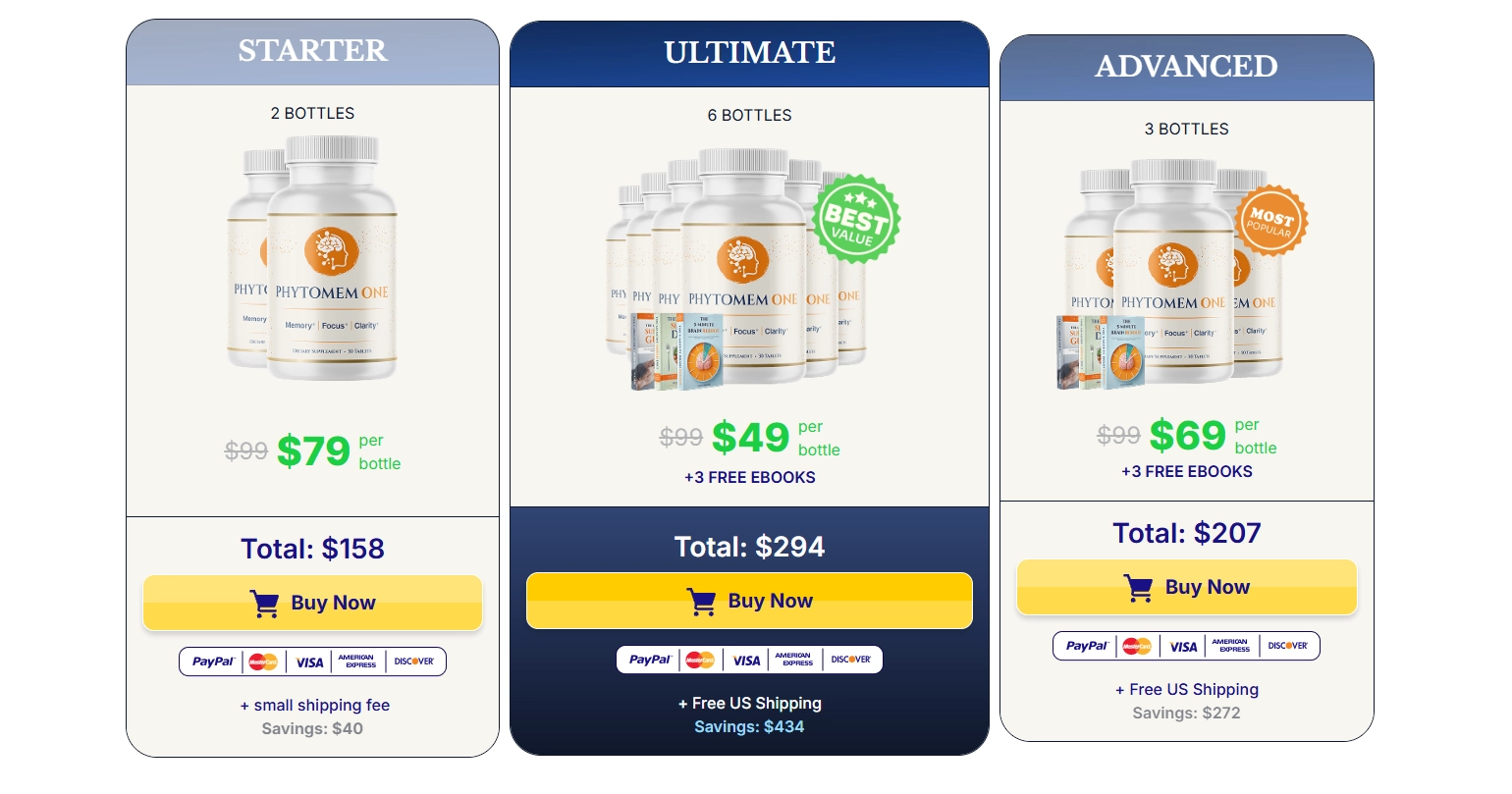
Phytomem One is sold in three packages, and each one includes three digital guides at no extra charge: The Memory Shield Diet, The 5-Minute Brain Reboot, and The Caregiver’s Survival Guide. I haven’t evaluated the guides themselves, so I’ll treat them as a bonus rather than a reason to buy.

Package | Per bottle | Total | Shipping | Cost per day |
2 bottles (60 days) | $79 | $158 | Small fee | about $2.63 |
3 bottles (90 days) | $59 | $177 | Free in the U.S. | about $1.97 |
6 bottles (180 days) | $49 | $294 | Free in the U.S. | about $1.63 |
According to the company, every order is a one-time purchase with no subscription, and each is covered by a 60-day money-back guarantee handled through ClickBank. To request a refund, contact the company within those 60 days. A practical point: the two-bottle package lasts exactly as long as the guarantee window, so it lets you try the full 60 days with the smallest commitment, while the larger packages bring the daily cost down for anyone already confident in the product. Either way, keep your order confirmation and the support contact it contains.
As for buying safely, the company says Phytomem One is sold only through its official website, not on Amazon, eBay, Walmart, or TikTok Shop, and that look-alike listings and websites using the name exist. Whether or not you take that account at face value, the advice is sound: buy only from the official website, and compare the bottle you receive against the published ingredient list. A different serving direction, a different formula, or a price far below $49 is a reason for caution. The sales page and the company’s press materials also show slightly different support email addresses, so use the contact details printed on your order confirmation.
Phytomem One Reviews, Complaints, and Company-Reported Data
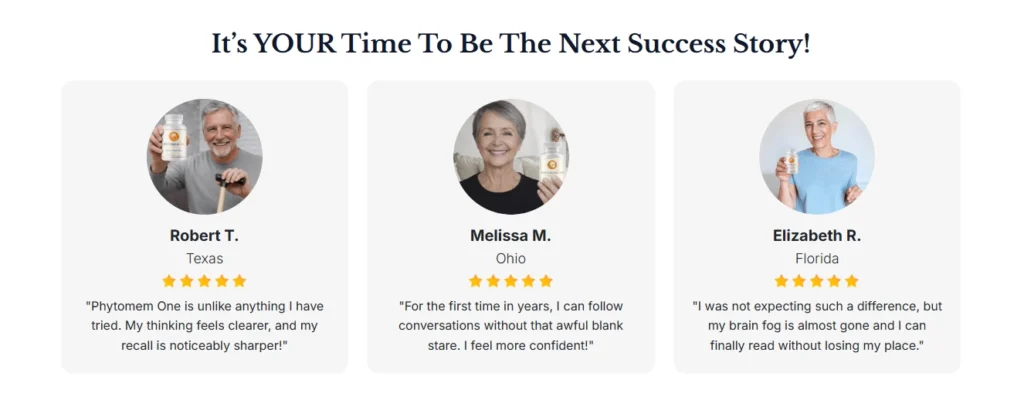
Phytomem One has been on the market for less than a year, and independent reviews are still scarce. Much of what appears online under “reviews” is promotional and repeats the same talking points, so I’d weigh it lightly. The testimonials on the sales page also deserve caution, since the company notes that the names have been changed.
The company has published some numbers of its own in a press release covering September 2026. It reports a refund rate of 1.84% on verified orders over the previous 90 days, a 47.3% reorder rate within 120 days among eligible customers, and a survey of 2,814 verified purchasers in which 91.6% rated their experience good or excellent and 80.2% said they felt more confident about their daily mental clarity routine. A low refund rate and a high reorder rate are encouraging signals for a product this new. They come with limits, though. The figures are company-reported and unaudited, the survey respondents chose to participate, and the survey measured experience and confidence rather than clinical outcomes.
The same release says about 22% of support cases traced back to purchases it couldn’t match to its own order records, and it reports hundreds of unauthorized listings. That may well be true, and it would explain why some online complaints describe a product that differs from the official one. It can’t be verified independently, and it wouldn’t be fair to assume every negative comment comes from a copy. The practical takeaway is the same either way: buy from the official site, keep your order number, and use the guarantee if the product isn’t right for you.
Pros and Cons
Pros
- Two ingredients, saffron and fucoxanthin, have human clinical research behind them
- Stimulant-free, with a simple one-tablet daily routine
- Pairs cognitive support with metabolic support, a growing area of research
- 60-day guarantee, one-time purchase, no subscription
- Cost per day drops to about $1.63 on the six-bottle package
- Three bonus digital guides included with every order
Cons
- Doses are hidden inside a 458 mg proprietary blend
- Berberine and cinnamon are probably below the amounts used in blood sugar trials
- Several ingredients can interact with medications
Alternatives
Phytomem One isn’t the only way to support brain health, and none of the options below rules it out.
Single-ingredient saffron. If saffron is the ingredient that interests you, a standardized extract with the dose printed on the label lets you match the 28 to 30 mg used in research. Branded extracts such as affron have their own trials, mostly on mood and sleep.
Other cognitive formulas with disclosed doses. Many products built on ingredients like bacopa, citicoline, phosphatidylserine, or DHA print every amount on the label. If transparency matters to you, look for full dose disclosure and third-party testing seals such as USP or NSF.
Read more: CogniBiotics Reviews | My Personal Wellness Journey | Customer Reviews
Lifestyle habits. The 2024 Lancet Commission on dementia identified 14 modifiable risk factors, including hearing loss, high blood pressure, physical inactivity, and diabetes. Regular exercise, good sleep, a Mediterranean-style diet, managing blood sugar and blood pressure, and staying socially and mentally active all have stronger evidence than any supplement. The sensible way to think about a formula like Phytomem One is as an addition to those habits, not a substitute.
Frequently Asked Questions
Does Phytomem One work? It is designed to support cognitive function and healthy glucose metabolism, and two of its ingredients have encouraging human research. Results vary, and the formula itself hasn’t been clinically tested.
What do Phytomem One reviews say? Independent reviews are still limited because the product is new. The figures the company has published are encouraging, but they are unaudited, so I’d treat them as a starting point rather than proof.
How long until I notice anything? The trials behind saffron and fucoxanthin ran roughly 12 to 24 weeks, and any effects were gradual. Many people check in at four and eight weeks.
Is it a tablet or a capsule? The label says tablet. The sales page FAQ says capsule, so go by the label on your bottle.
Is it safe with my medications? Not automatically. Berberine, cinnamon, and corosolic acid can lower blood sugar, and several other ingredients can affect blood thinners, blood pressure medication, and hormone-related treatments. Ask your doctor or pharmacist first.
Does it contain caffeine or stimulants? The company says it is stimulant-free, and none appear on the label.
Where can I buy it? According to the company, only on its official website.
Will there be recurring charges? The company says no. It is a one-time purchase.
Why does my statement say CLICKBANK? ClickBank processes the company’s orders, so that is the name that appears on your statement.
How do I get a refund? Contact the company within 60 days of purchase, using the details in your order confirmation.
Final Verdict: Is Phytomem One Worth It?
Phytomem One makes a solid case for itself as a daily, stimulant-free routine for adults interested in cognitive support. Its strongest points are real: saffron and fucoxanthin both have human research behind them, the metabolic ingredients reflect a legitimate line of investigation, the daily routine is simple, and the purchase terms leave very little at risk. Its weak points are just as real. The doses aren’t disclosed, the formula hasn’t been tested as a whole, and some marketing claims run ahead of the evidence.
It makes the most sense for adults in midlife and beyond who notice occasional lapses and want to add a daily nutritional product to healthy habits, who are comfortable judging results over a couple of months, and who have checked with a doctor or pharmacist about their medications. It isn’t the right choice for anyone looking for a treatment for a diagnosed memory condition, for people taking diabetes drugs or blood thinners without medical guidance, or for anyone who is pregnant or nursing. Shoppers who want every milligram printed on the label may prefer a more transparent alternative.
If you decide to try it, the two-bottle package lines up with the guarantee window and is the lowest-commitment way to find out how you respond. If you’re already sure, the larger packages bring the daily cost down. Buy through the official website, keep your order details, and keep a few notes as you go.
Does Helen March Recommend Trying Phytomem One?
Yes! I recommend giving Phytomem One a try. After reviewing its formula, ingredients, and overall value, I give it a rating of 9.1 out of 10.
I like its combination of ingredients and its focus on memory, concentration, and mental clarity. While individual results may vary, Phytomem One is worth considering if you’re looking for a supplement designed to support cognitive health.
As always, I encourage readers to review the ingredients, check whether the formula is right for their individual needs, and consult a healthcare professional if they have any questions before starting a new supplement.
My final verdict: 9.1/10 – Recommended!
Share Your Questions and Your Experience
Have a question about Phytomem One that this review didn’t cover? Leave it in the comments below, and I’ll do my best to answer it with research rather than guesswork.
If you’ve tried Phytomem One, I’d like to hear how it went. Share how long you’ve been taking it, what you noticed, whether anything surprised you, and what you would tell someone who is thinking about ordering. Accounts of any kind help other readers, including those where you noticed little or nothing. Please keep personal medical details out of your comment, and keep in mind that one person’s experience is not a prediction of yours.
References
- Nihart AJ, Garcia MA, El Hayek E, et al. Bioaccumulation of microplastics in decedent human brains. Nature Medicine. 2025.
- Akhondzadeh S, Sabet MS, Harirchian MH, et al. Saffron in the treatment of patients with mild to moderate Alzheimer’s disease: a 16-week, randomized and placebo-controlled trial. Journal of Clinical Pharmacy and Therapeutics. 2010;35(5):581-588.
- Akhondzadeh S, Sabet MS, Harirchian MH, et al. A 22-week, multicenter, randomized, double-blind controlled trial of Crocus sativus in the treatment of mild-to-moderate Alzheimer’s disease. Psychopharmacology. 2010;207(4):637-643.
- Farokhnia M, Sabet MS, Iranpour N, et al. Comparing the efficacy and safety of Crocus sativus L. with memantine in patients with moderate to severe Alzheimer’s disease: a double-blind randomized clinical trial. Human Psychopharmacology. 2014;29(4):351-359.
- Yoo C, Maury J, Gonzalez DE, et al. Effects of supplementation with a microalgae extract from Phaeodactylum tricornutum containing fucoxanthin on cognition and markers of health in older individuals with perceptions of cognitive decline. Nutrients. 2024;16(17):2999. doi:10.3390/nu16172999
- Promising benefits of six-month Phaeodactylum tricornutum microalgae supplementation on cognitive function and inflammation in healthy older adults with age-associated memory impairment. Frontiers in Aging. 2025. doi:10.3389/fragi.2025.1540115
- Effects of berberine on blood glucose in patients with type 2 diabetes mellitus: a systematic literature review and a meta-analysis. Endocrine Journal. 2019;66(1):51-63.
- Allen RW, Schwartzman E, Baker WL, Coleman CI, Phung OJ. Cinnamon use in type 2 diabetes: an updated systematic review and meta-analysis. Annals of Family Medicine. 2013;11(5):452-459.
- Judy WV, Hari SP, Stogsdill WW, et al. Antidiabetic activity of a standardized extract (Glucosol) from Lagerstroemia speciosa leaves in Type II diabetics: a dose-dependence study. Journal of Ethnopharmacology. 2003;87(1):115-117.
- Cardile V, Graziano ACE, Venditti A. Clinical evaluation of Moro (Citrus sinensis (L.) Osbeck) orange juice supplementation for the weight management. Natural Product Research. 2015;29(23):2256-2260.
- Livingston G, Huntley J, Liu KY, et al. Dementia prevention, intervention, and care: 2024 report of the Lancet standing Commission. The Lancet. 2024;404(10452):572-628.
- US. Food and Drug Administration. Dietary supplement labeling requirements, 21 CFR 101.36.
- Phytomem One official website, getphytomemone.com (product page, pricing, and guarantee terms).
- NewEra Protect. Company press release on customer support, refund, and brand-protection data, October 2026.
*These statements have not been evaluated by the Food and Drug Administration. This product is not intended to diagnose, treat, cure, or prevent any disease. This article is for informational purposes and is not medical advice. Talk to a qualified health care professional before starting any supplement, especially if you take medication or have a medical condition.