Practical Ways to Cut Calories in the New Year

Hello, dear readers of Health Fitness Remedy Reviews website! With the new year in full swing, you may be finding it difficult to stick to your resolution of losing weight. While you might have been strong and resisted temptation in the first week or two, do you find your willpower fading? One of the most important things you can do to avoid disappointment and the endless cycle of dieting is to set realistic goals. Losing a pound or two per week is easily achievable by most people, especially when diligent about counting calories and cutting calories. To help simplify this, some practical tips for cutting calories are shared below.
Contents
#1. Change Your Morning Coffee
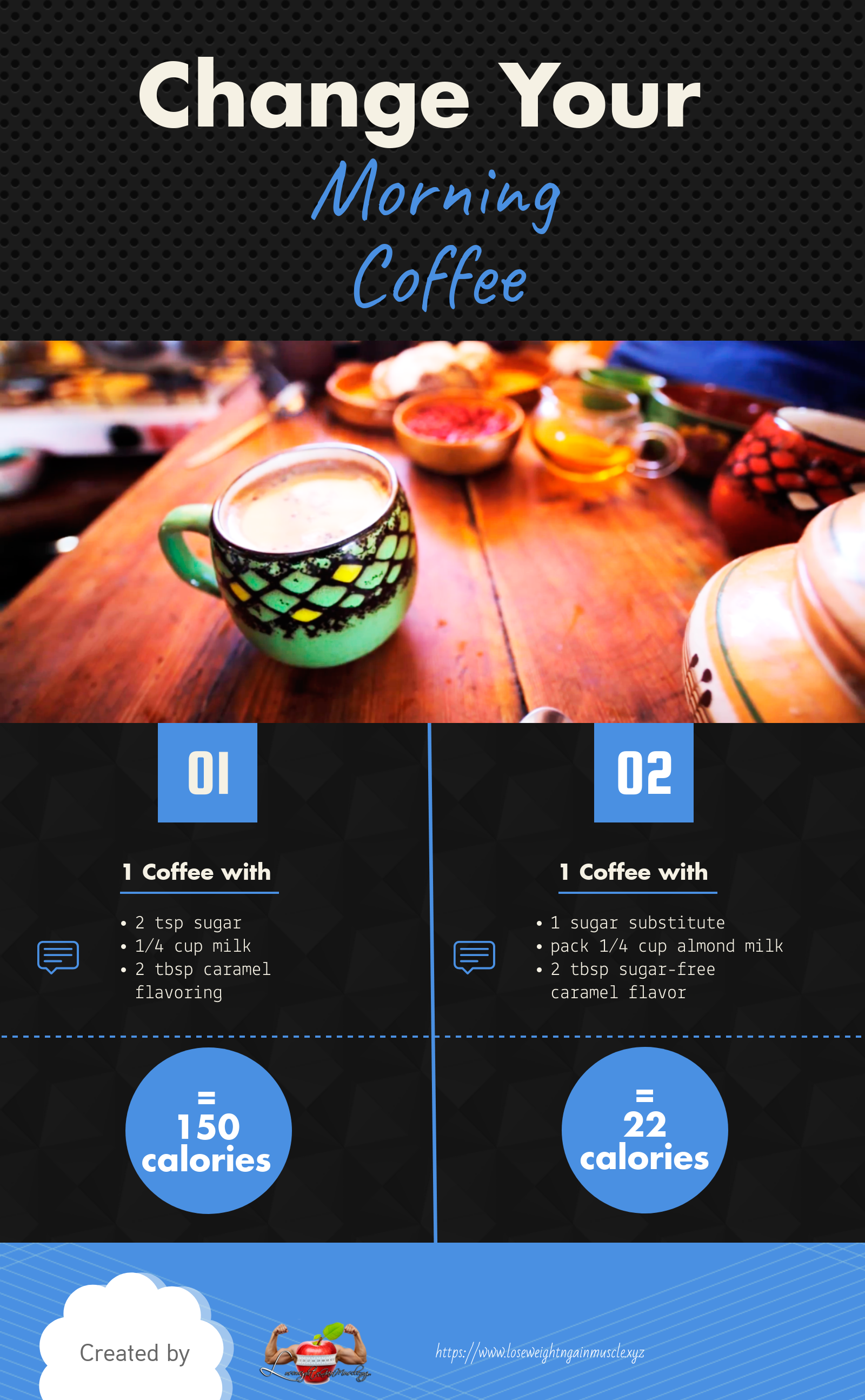
Cutting calories doesn’t mean you have to skip your morning (or afternoon) coffee but it does mean being careful about what you put in it. Even a small cup can cost you 300+ calories if you add a lot of sugar, creamer, and flavoring syrups. To reduce calories, try a sugar-free creamer, sugar-free syrups, non-sweetened almond milk and skim milk as alternative additions. These are a fraction of the calories and can still allow you to enjoy your cup of caffeine.
Example:
1 cup coffee with 2 tsp sugar, 1/4 cup milk, and 2 tbsp caramel flavoring: 150 calories
OR
1 cup coffee with 1 sugar substitute pack, 1/4 cup almond milk, and 2 tbsp sugar-free caramel flavor: 22 calories.
#2. Bring Lunch
If you dine out every day for lunch at work, you’re likely eating hundreds of extra calories (even if you’re eating something that seems healthy). To ensure your calorie count is exact, bring your own lunch to work with you. Although this does require more preparation on your part, it’s worth the effort for the amount of weight you’ll lose by taking more control of what you eat for every meal. For those times when you are dining out, try to go to restaurants that offer nutrition information on the menu so you can count calories.
#3. Watch Out For Condiments
Ketchup with your fries, ranch with your salad, mayo with your sandwich. While these might sound good, the calories for them can hurt your count for the day. It’s best to avoid these completely or opt for lighter alternatives, when possible. For example, you could choose only vinegar on your sandwich rather than oil and vinegar. Or, you could ask for low-calorie Italian dressing on a salad rather than regular ranch dressing. Low-calorie condiments to make staples in your diet include:
- Mustard
- Vinegar
- Hot Sauce
- Sugar-Free Ketchup
- Light Mayo
#4. Eat Before Meals
Eating before enjoying a meal might sound like it’s too good to be true but that’s not necessarily the case. By eating a cup of vegetables or a cup of low-calorie soup before each main course, you’ll be filling your stomach with minimal calories that keep you full for longer. As a result, you’ll be likely to eat less during your actual meal. This is also a great trick for helping you fill up if you’ve already finished eating but you find yourself still hungry for something else. Soup, in particular, is one of the most filling foods you can eat without guilt. If you don’t have either of these on-hand, you can also try eating an apple or drinking a glass of water.
Must read: Java Burn Reviews: Scam or Legit? Coffee Powder Complaints
#5. Add Veggies to Everything
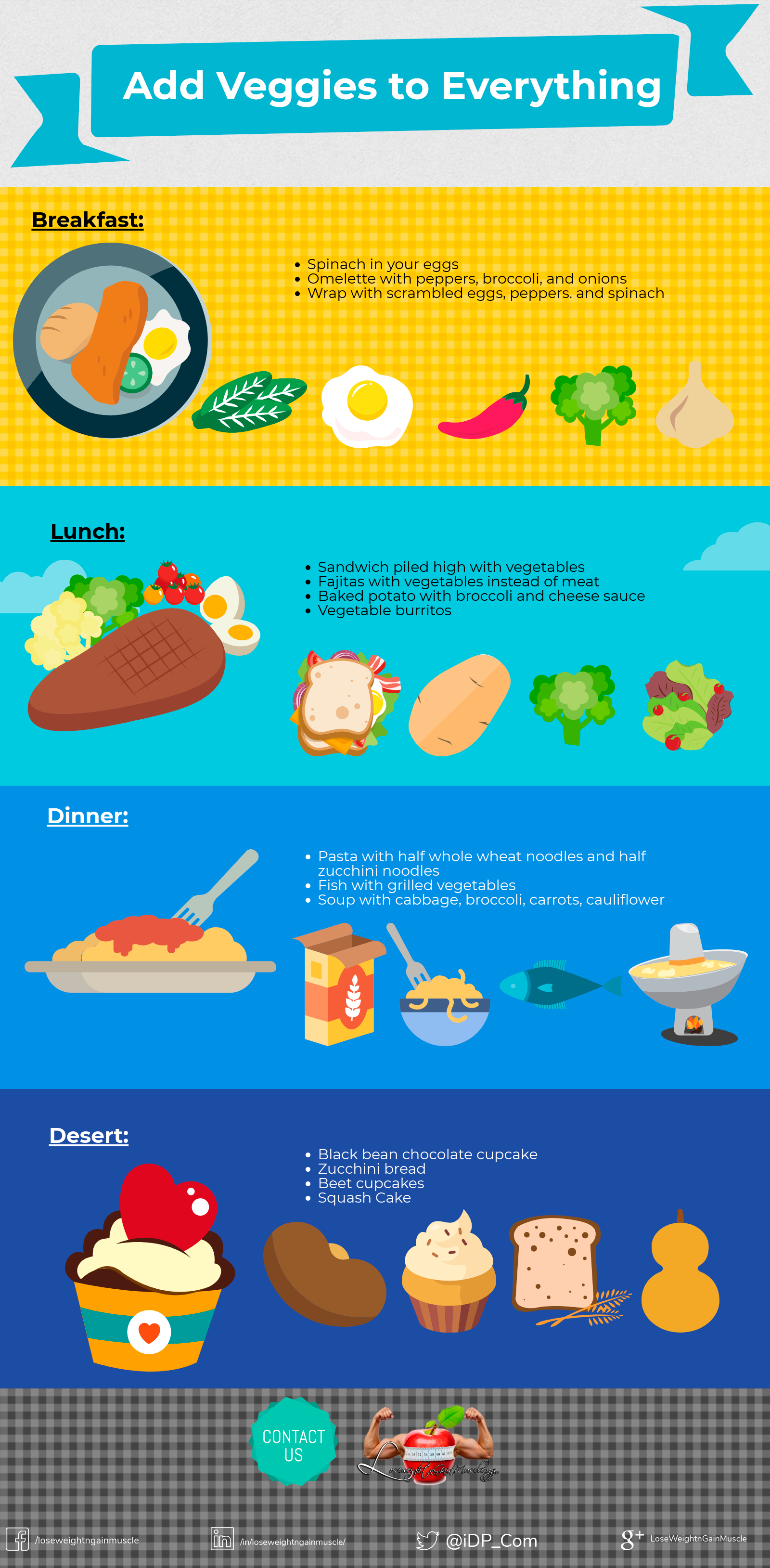
Bulking up meals with vegetables will help make you feel full for only a small amount of calories. Fortunately, it’s easy to add vegetables to just about everything. Below are a few ideas to implement into your meals:
Breakfast:
- Spinach in your eggs
- Omelette with peppers, broccoli, and onions
- Wrap with scrambled eggs, peppers. and spinach
Lunch:
- Sandwich piled high with vegetables
- Fajitas with vegetables instead of meat
- Baked potato with broccoli and cheese sauce
- Vegetable burritos
Dinner:
- Pasta with half whole wheat noodles and half zucchini noodles
- Fish with grilled vegetables
- Soup with cabbage, broccoli, carrots, cauliflower
Dessert:
- Black bean chocolate cupcake
- Zucchini bread
- Beet cupcakes
- Squash Cake
Grab the infographic to don’t losing this tips (clickable)
How Quickly Will You Lose Weight?
For every 3,500 calories you cut or burn, you’ll be losing 1 pound of fat. Initially you may lose several pounds, however, you should expect this to slow to 1 or 2 per week after that. By going slowly rather than crash dieting, the weight will be much more likely to stay off. With that being said, are you ready to cut calories and stick to your resolutions this year? Getting started is easier than you think! Don’t forget to subscribe!